
De impact van politieke onrust op organisaties: gevolgen voor inkoop, leveranciers en uitgavenbeheer
Bijgewerkt op: 11 mei
Politieke onrust is niet langer een abstract fenomeen dat beperkt blijft tot verre regio's. In een geglobaliseerde economie vertaalt instabiliteit zich snel in dagelijkse bedrijfsonderbrekingen. Van handelssancties en veranderende regelgeving tot sociale onrust en geopolitieke spanningen; de effecten zijn het sterkst voelbaar in inkoop en leveranciersbeheer. Organisaties die niet proactief reageren, lopen aanzienlijke operationele en financiële risico’s.

Verstoringen in de toeleveringsketen
Een van de meest directe gevolgen van politieke onrust is de verstoring van de toeleveringsketen (supply chain). Grenssluitingen, exportbeperkingen en plotselinge tariefwijzigingen kunnen voorkomen dat leveranciers leveren, transport vertragen of onverwacht de kosten opdrijven. Voor inkoopteams betekent dit dat traditionele strategieën, zoals single sourcing of 'just-in-time' voorraadbeheer, steeds kwetsbaarder worden. Als gevolg hiervan verschuiven organisaties richting:
Multi-sourcing: het inschakelen van meerdere leveranciers in verschillende regio's.
Nearshoring: het verplaatsen van productie en/of leveranciersbasis dichter naar thuismarkten om risico's te verminderen.
Veiligheidsvoorraad: het verhogen van voorraadniveaus om onzekerheid op te vangen.
Toenemende complexiteit in toeleveringsketen
Leveranciersbeheer wordt aanzienlijk complexer tijdens perioden van politieke instabiliteit. Niet alleen de prestaties van leveranciers worden beïnvloed, maar ook hun compliance en betrouwbaarheid. Belangrijke aandachtsgebieden zijn:
Risicobeoordeling: continue evaluatie van leveranciers op basis van geopolitieke blootstelling.
ESG-criteria: politieke omstandigheden kunnen van invloed zijn op mensenrechten, arbeidsomstandigheden en milieunormen.
Flexibiliteit in contracten: overeenkomsten moeten snelle aanpassingen mogelijk maken.
Transparantie in de hele toeleveringsketen wordt ook cruciaal. Organisaties zoeken zichtbaarheid in niet alleen directe leveranciers, maar ook in leveranciers van de tweede en derde lijn.
Financiële druk en spend management
Politieke onrust leidt vaak tot prijsvolatiliteit, met name in grondstoffen, energie en logistiek. Dit zorgt voor druk op de marges en maakt budgettering uitdagender. Implicaties voor spend management:
Onvoorspelbare kosten: gedreven door valutaschommelingen, invoerrechten en grondstoffenprijzen.
Verhoogde kostendruk: organisaties intensiveren inspanningen om besparingen te identificeren.
Herprioritering van uitgaven: focus op kritieke leveranciers en categorieën.
Geavanceerde spend-analyticstools worden essentieel om real-time inzicht te krijgen in uitgaven en om snelle besluitvorming mogelijk te maken.
De strategische rol van inkoop
Inkoop evolueert van een primair operationele functie naar een strategische pijler binnen organisaties. Politieke instabiliteit versnelt deze verschuiving. Inkoopteams spelen nu een sleutelrol in:
Risicomanagement
Bedrijfscontinuïteitsplanning
Scenario-analyses
De samenwerking met afdelingen zoals finance, legal en operations intensiveert om geïntegreerde besluitvorming te ondersteunen.
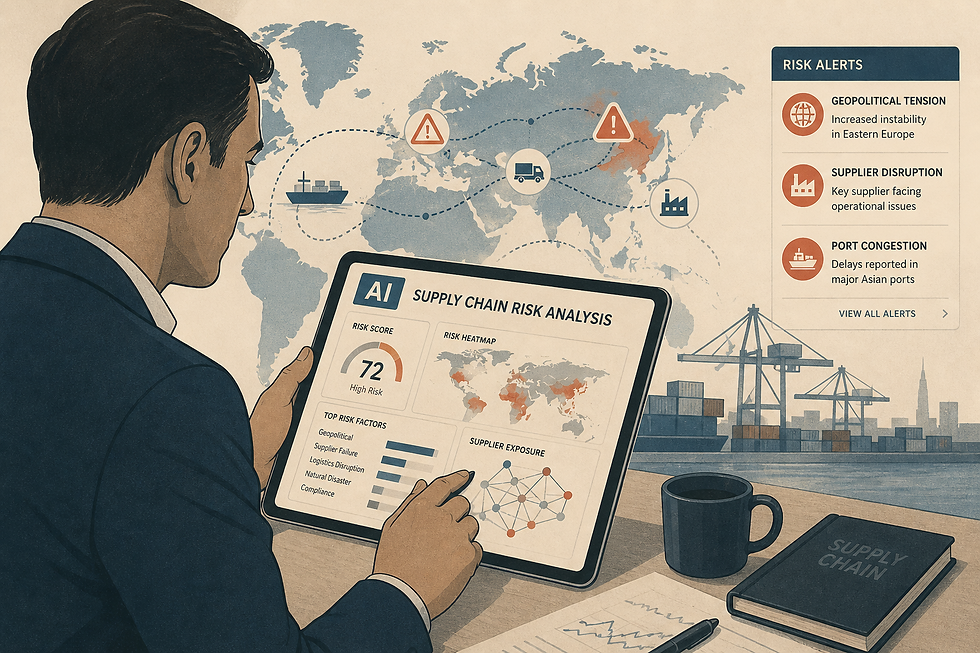
Digitalisering als antwoord op onzekerheid
Technologie helpt organisaties beter om te gaan met politieke onzekerheid. Voorbeelden zijn:
AI-gestuurde risicomodellering
Platformen voor zichtbaarheid in de toeleveringsketen (supply chain visibility)
Automatisering van contract- en leveranciersbeheer
Digitalisering maakt snellere reacties op veranderingen en beter onderbouwde beslissingen mogelijk.
Politieke onrust is geen tijdelijke verstoring, maar een structurele factor waar organisaties continu rekening mee moeten houden. De impact op inkoop, leveranciersbeheer en spend management is groot en dwingt bedrijven om met meer flexibiliteit, transparantie en strategische focus te opereren.
Organisaties die investeren in risicodiversificatie, datagestuurde besluitvorming en sterke leveranciersrelaties zijn beter gepositioneerd om door turbulente tijden te navigeren — en kunnen in tijden van onzekerheid zelfs een concurrentievoordeel behalen.


Opmerkingen